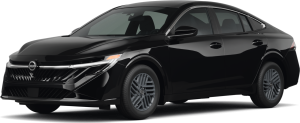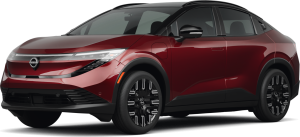
Choosing between the 2026 Nissan LEAF and the Tesla Model 3 comes down to how you commute, how far you drive, and how you plan to charge. The Nissan LEAF offers up to 303 miles of EPA-estimated range and access to a growing public charging network, including Tesla Superchargers through NACS compatibility, and a feature-rich, connected driving experience, while the Tesla Model 3 delivers over 300 miles of EPA-estimated range depending on trim, reaching as high as 363 miles in some versions. For drivers comparing daily usability, charging flexibility, and in-car technology, this Tesla Model 3 vs. LEAF comparison highlights what matters most for real-world commuting.
At Nissan of Valencia, we are here to help you find the right electric vehicle for your lifestyle, whether you are just starting your EV journey or narrowing down your options. Our team supports you every step of the way, from exploring new models like the Nissan LEAF to maintaining your vehicle with expert service and genuine parts and even guiding you through flexible financing options that fit your needs. Visit us or contact our team today to get started.
How Do the 2026 Tesla Model 3 vs. Nissan LEAF Specs Compare for Daily Driving?
When comparing the 2026 Tesla Model 3 vs. the Nissan LEAF, the numbers start to separate based on how each vehicle approaches everyday driving. The Nissan LEAF focuses on efficiency, pairing its 75 kWh battery with 131 MPGe city performance and a front-wheel-drive setup that feels predictable in stop-and-go traffic.
The Tesla Model 3 brings a different balance. Its rear-wheel-drive layout and 0–100 km/h time of 6.2 seconds point to quicker acceleration, especially useful when merging or passing. In terms of range, the Model 3 offers roughly 300 to 363 miles of EPA-estimated range depending on the trim, placing it in a similar conversation with the LEAF’s 303-mile maximum while still varying by configuration.
For daily use, the decision often comes down to whether you value consistent efficiency in city driving or a more responsive driving feel on mixed routes.
What Features Make Each EV Stand Out for Everyday Commuters?
Looking at a Tesla Model 3 vs. LEAF comparison through a commuter’s lens, the differences show up in how each vehicle supports your routine before and during the drive.
The Nissan LEAF leans into convenience and personalization. Through the MyNISSAN app, you can check vehicle status, locate your car, or lock and unlock doors remotely. Inside, the available Head-Up Display keeps key information in your line of sight, while Vehicle-to-Load (1500W) adds flexibility by letting you power small devices when needed. These are the kinds of features that quietly make daily use smoother.
The Tesla Model 3 focuses on control through a single interface. Seat adjustments, media, and vehicle settings are handled through the touchscreen, and features like Dog Mode and Sentry Mode add practical use cases when parked.
Both take different approaches, but each is clearly designed around simplifying everyday driving habits.
Which EV Is More Practical for Charging and Daily Range Needs?
Charging practicality often shapes the real-world experience more than Tesla Model 3 vs. LEAF specs. The Nissan LEAF is designed to give drivers multiple ways to stay powered throughout the week, whether that means plugging into a standard outlet overnight or using a 240V charger to add range in just a few hours. For quicker stops, DC fast charging can bring the battery up to 80 percent in significantly less time, which is useful when plans change mid-day.
One standout detail is how charging access is handled. The Nissan LEAF includes Plug and Charge functionality through the MyNISSAN app, allowing you to connect and pay at compatible stations without extra steps. It also supports a wide charging network with integrated access to Tesla Superchargers.
The Tesla Model 3 follows a similar structure with multiple charging levels. It supports standard household outlets for slower charging, faster Level 2 home charging setups that can add meaningful range overnight, and DC fast charging that can reach 0 to 80 percent in roughly 24 to 33 minutes depending on conditions.
How Do Comfort, Interior Space, and Technology Compare?
Comfort and layout become more noticeable the longer you spend in the driver’s seat, especially when comparing Tesla Model 3 vs. LEAF features side by side. The Nissan LEAF takes a more traditional approach to space, offering seating for five with a 60/40 split rear bench and up to 20 cubic feet of cargo volume. Front legroom reaches 42.4 inches, which can make a difference during longer commutes or when traffic slows to a crawl.
Technology is layered into that experience rather than centralized. Depending on the trim, the Nissan LEAF includes dual widescreen displays, along with available Google built-in services and wireless smartphone integration. Physical layout and screen placement feel familiar, which may appeal to drivers who prefer a balance between digital and tactile controls.
The Tesla Model 3 simplifies the cabin with a single 15.4-inch touchscreen and minimal physical buttons. Its total cargo capacity reaches up to 682 liters, while comparable Nissan LEAF cargo measurements range roughly between 394 and 437 liters depending on configuration, highlighting a difference in how each vehicle packages storage space.
What Are the Ownership Benefits of Choosing an EV Like the Nissan LEAF or Tesla Model 3?
Ownership often comes down to what life looks like after the purchase, and that is where EVs start to separate themselves in a best vehicle comparison for 2026. The Nissan LEAF builds on a long track record, with over 18 billion miles driven globally by owners, which speaks to how widely this platform has been used in real conditions.
Day to day, the shift away from gas changes the routine. There are no oil changes or traditional engine tune-ups to schedule, and the driving experience tends to be quieter and more consistent over time. For added peace of mind, the Nissan LEAF includes an 8-year or 100,000-mile limited battery warranty, along with features like thermal management to help maintain battery health.
Tesla ownership follows a similar low-maintenance path, but with more clearly defined service expectations. Routine upkeep typically includes tire rotations, cabin air filter replacements, and brake checks, with no oil changes required. Estimated annual maintenance costs for the Model 3 range from about $257 to $499, and long-term costs are among the lowest in its class due to fewer moving parts and simplified systems.
How do the 2026 Tesla Model 3 and Nissan LEAF compare in performance, capability, and efficiency?
The Nissan LEAF delivers 131 MPGe city efficiency with a 75 kWh battery and front-wheel drive, while the Tesla Model 3 offers quicker acceleration at 0–100 km/h in 6.2 seconds and an EPA-estimated range between about 309 and 363 miles depending on trim.
What are the biggest differences in technology, comfort, and cargo space between the Tesla Model 3 and the Nissan LEAF?
The Nissan LEAF uses dual widescreen displays and a more traditional layout, while the Tesla Model 3 centers controls on a single 15.4-inch touchscreen. Cargo capacity differs as well, with the Model 3 offering up to 682 liters compared to about 20 cubic feet in the LEAF.
Which vehicle offers better value based on price, features, and long-term ownership costs?
The Nissan LEAF starts at $29,990 and includes features like NissanConnect®, ProPILOT Assist, and an 8-year/100,000-mile battery warranty. The Tesla Model 3 starts around $36,990 up to $54,990 depending on configuration and offers low maintenance needs due to its electric design.
How do available trims and powertrains compare between the Tesla Model 3 and the Nissan LEAF?
The Nissan LEAF is available in S+, SV+, and Platinum+ trims with a front-wheel-drive electric powertrain. The 2026 Tesla Model 3 is offered in Standard (rear-wheel drive), Premium RWD, Premium AWD, and Performance AWD configurations, giving buyers multiple drivetrain options.
Which model is the better fit for shoppers prioritizing commuting, family use, or weekend adventures?
The Nissan LEAF is well suited for commuting with its compact size, city efficiency, and up to 303-mile range. The Tesla Model 3 may be a better fit for drivers who want quicker acceleration, longer-range options, and more drivetrain variety depending on trim.
Find the Right EV for Your Daily Drive
Choosing between electric vehicles often comes down to how they fit into your routine, from weekday commutes to weekend plans. The Nissan LEAF stands out with its balance of efficiency, connected features, and everyday usability, giving drivers a practical option that adapts well to changing schedules and driving conditions. Drivers in Valencia, Pardee, Bouquet Canyon, and Val Verde can explore a wide selection of vehicles, including the Nissan LEAF, built to handle both city streets and longer drives with confidence. Whether you are comparing trims like S+, SV+, or Platinum+, or narrowing down the features that matter most, having the right information makes the decision easier.
Keep Exploring Your EV Options
If you are still weighing your options, continue exploring comparisons like LEAF vs Model Y, LEAF vs Model 3, or our LEAF practicality guide to better understand how different EVs fit your lifestyle. Each perspective adds another layer to your decision, helping you focus on what matters most in a daily driver. When you are ready, the team at Nissan of Valencia is here to assist with everything from sales support to ongoing service, parts, and flexible financing options tailored to your needs. Reach out today or plan your visit to take the next step toward driving electric.
Contact Nissan of Valencia
Get Directions to Nissan of Valencia
Disclaimer: All information is provided for general informational and entertainment purposes only. While we strive for accuracy, we cannot guarantee that all content is complete, current, or error-free. Any reliance you place on such information is strictly at your own risk. This article may include opinions and is not endorsed by, or officially affiliated with, any vehicle manufacturer or brand. Always consult official sources – such as the vehicle’s owner’s manual, authorized dealerships, or certified professionals – for the most up-to-date and personalized information.