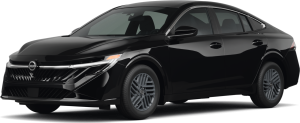
Practicality in an electric car comes down to how easily it fits daily life, not just range or speed. The Nissan LEAF prioritizes comfort, accessibility, and straightforward ownership, while the Tesla Model 3 emphasizes performance and software-driven convenience. The better choice depends on whether everyday usability or tech-focused driving matters more in 2026.
Nissan of Valencia is here to help drivers compare, choose, and maintain the right vehicle with confidence. Our team supports you through every step, from new vehicle sales to service, genuine parts, and long-term care. Contact us or visit us today, and let us help you experience electric driving the simple way.
Which EV Is More Practical for Everyday Life in 2026?
Practicality means how well a car fits daily routines. It is about ease, comfort, and low effort. Many drivers focus on speed or range first. Real life often rewards simple use instead. In the Nissan Leaf vs Tesla Model 3 practicality debate, habits matter more than specs.
A practical EV should help with these daily tasks:
- Easy entry and exit
- Clear view of the road
- Simple controls
- Stress-free charging
- Low running effort
- Room for bags and gear
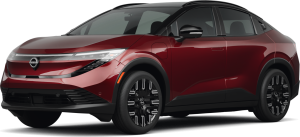
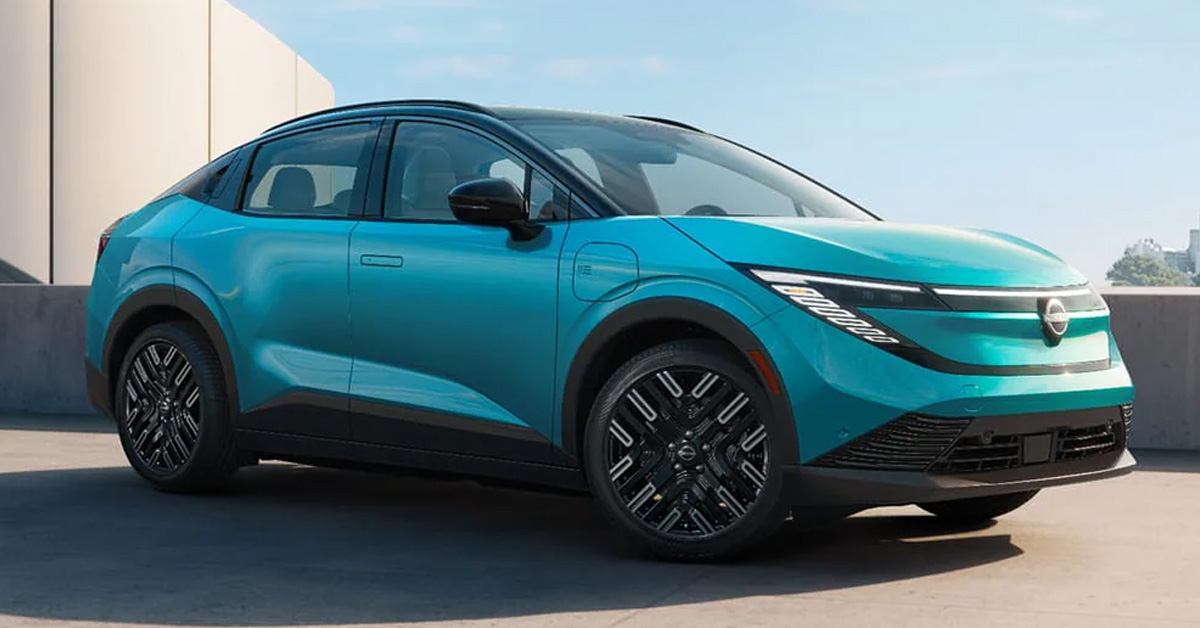
The Nissan LEAF leans toward daily comfort and routine use. The ride height helps in traffic and parking lots. The cabin feels open and calm. Controls stay clear and quick to learn. Many drivers adapt in one day.
The Tesla Model 3 feels more like a tech tool on wheels. Most tasks use the center screen. Some drivers like that. Others need time to adjust.
For many households, small details shape daily ease:
- Short trips to stores
- School drop-offs
- Work commutes
- Tight parking spaces
- Night drives in traffic
The Nissan LEAF handles these with less effort. A hatchback helps with bags and gear. A higher seat helps with long stop-and-go drives. Less reach and fewer menus reduce stress.
The Tesla Model 3 shines in smooth roads and fast travel. It favors drivers who enjoy screen-based control. It can feel less natural at first for shared family use.
In simple terms, both cars work well. One focuses on comfort and routine. The other favors tech and feel. Daily habits decide the better fit.
How Does Daily Driving Feel in the Leaf vs Model 3?
The 2026 Leaf vs Model 3 comparison often starts with how they feel on the road. Both are quiet and quick off the line. The difference shows in posture and ease. The Nissan LEAF sits higher and feels relaxed, while the Tesla Model 3 sits lower and feels sportier.
City Driving
Busy streets reward clear views and light effort. The Nissan LEAF gives a wide view of lanes and signs. The upright seat helps in stop-and-go traffic. Pedal response feels smooth and calm.
The Tesla Model 3 reacts faster and feels sharper. Some drivers enjoy that feel. Others find it less calm in crowds.
In tight city use:
- LEAF favors comfort and view
- Model 3 favors quick response
- LEAF feels less tiring in traffic
- Model 3 feels more active
Highway Driving
At speed, both stay stable and quiet. Wind noise stays low. Seats matter more on long trips.
The Nissan LEAF keeps a soft ride on rough roads. Small bumps feel muted. The Tesla Model 3 hugs curves better at speed.
On long drives:
- LEAF reduces fatigue
- Model 3 improves corner feel
- Both keep strong lane assist
Parking and Tight Areas
Daily life often means small spaces. This is where size and view matter most. The Nissan LEAF is easier to place in a spot. The tall seat helps judge curbs and lines.
The Tesla Model 3 relies more on cameras and screens. It works well once you adapt. New drivers may need time to trust it.
Quick parking notes:
- LEAF is easier at first try
- Model 3 improves with practice
- Both offer helpful aids
Overall feel depends on the driver's habits. Comfort seekers lean toward the Nissan LEAF. Drivers who enjoy a sporty feel may prefer the Tesla Model 3.
Which One Is Easier to Charge Day-to-Day?
Charging ease shapes real Leaf vs Model 3 daily driving. Most owners plug in at home at night. The goal is simple routine, not fast numbers. The Nissan LEAF focuses on low-effort use. Steps are clear and quick to learn.
Home Charging
Both cars work with Level 1 and Level 2 power. A wall unit makes life much easier. Plug in, walk away, wake up ready.
Daily home routine:
- Plug in after work
- Charge while you sleep
- Unplug in the morning
The Nissan LEAF keeps controls simple. Charge timers and status are easy to check. Many drivers set it once and forget it.
The Tesla Model 3 also works well at home. Most tasks use the app or screen. Tech fans like this. Others prefer buttons and quick menus.
Public Charging Access
Public stops matter on busy weeks. Stores, gyms, and work sites now offer power. The Nissan LEAF supports broad station access, including Tesla fast sites.
Helpful benefits:
- More places to plug in
- Fewer apps to manage
- Simple payment flow
That makes daily errands easier to plan.
Fast Charging Stops
Fast charging helps on long trips. Both add range in a short time. The real difference is routine stress.
- Easy access lowers wait time
- Clear status reduces guesswork
- More sites mean better planning
For most owners, charging is part of a habit. The Nissan LEAF fits a simple plug-in lifestyle. The focus stays on routine, not constant setup.
How Do Range and Efficiency Compare for Real-World Use?
Range is one of the first numbers people check. It feels simple, but daily use tells a fuller story. Most drivers do not use the full range each day. Work trips, school runs, and store stops are short.
The Nissan LEAF offers up to 303 miles of range on select trims. That covers most weekly needs with ease. Many owners charge once or twice a week. For short commutes, that can mean less stress.
The Tesla Model 3 may show a higher max range on some trims. That helps on long trips. It can mean fewer stops on the road.
In real use, the range depends on:
- Speed on the highway
- Use of heat or air
- Hills and road grade
- Cargo weight
- Drive style
Efficiency also shapes cost. A car that uses less power per mile saves money. Both models use energy well in city traffic. Stop-and-go roads often help EV range.
When people compare EV charging Leaf vs Tesla, they also look at range use. A car with strong access to fast sites can ease range worry. The Nissan LEAF now supports wide fast charge access, which helps on long drives.
For daily life, ask these simple questions:
- How far is my work trip?
- Can I charge at home?
- How often do I take road trips?
For most homes, either car covers daily miles with room to spare. Real-world use favors steady habits over max numbers. The best fit depends on how and where you drive.
Which EV Has the More Useful Interior and Cargo Space?
Space and layout matter every day. Bags, gear, and people all need room. The Nissan LEAF uses a hatchback shape. That makes loading quick and simple.
The Tesla Model 3 uses a trunk and low roof line. It looks sleek but limits tall items. The LEAF opens wide, so large boxes fit with less effort.
Passenger Comfort
Seat height changes how a car feels. The Nissan LEAF has an upright seat. Entry and exit feel natural.
Rear riders also get good headroom. The roof shape helps taller riders.
Daily comfort wins:
- Easier step in height
- More headroom in the back
- Better view out
The Tesla Model 3 feels lower and sportier. Some riders like that feel. Others may find it tight in the rear.
Cargo and Storage
Hatchbacks help with daily tasks. Groceries, strollers, and gear fit with less planning. The Nissan LEAF folds seats flat for more space.
Useful cargo traits:
- Wide rear opening
- Flat load floor
- Easy reach height
The trunk works fine for bags and small loads. Large items need more thought.
Cabin Functionality
Simple controls help shared drivers. Knobs and quick buttons save time. The Nissan LEAF keeps common tasks easy.
The Tesla Model 3 relies on screen menus for most tasks. Tech fans adjust fast. New users may need practice.
For many homes, space and ease matter most. That often decides the best practical EV 2026 choice.
Which Technology Setup Is Simpler to Live With Every Day?
Tech should help, not slow you down. Daily use favors clear steps and quick actions. In the Nissan Leaf vs Tesla Model 3 practicality debate, ease of use matters a lot.
The Nissan LEAF keeps key tasks close at hand. You get real buttons plus a clean screen. Most drivers learn the layout in minutes.
Controls and Menus
Simple controls reduce stress in traffic. You can change the temp, fan, or sound fast. No deep menu search is needed.
Everyday control tasks:
- Adjust climate
- Change music
- Defrost glass
- Turn on the seat heat
The Tesla Model 3 puts most actions in the main screen. It looks modern and sharp. New users may take time to learn paths.
Phone and App Use
Both cars offer phone links and remote checks. Lock, unlock, and pre-cool work from an app. The Nissan LEAF keeps core features simple and clear.
Helpful daily tech:
- Charge status view
- Remote climate start
- Car locator
The Tesla Model 3 adds more app features. Some drivers enjoy extra options. Others want fewer steps.
Driver Assistance
Assist tech helps on long drives and slow traffic. Lane help and cruise control reduce fatigue. Both cars support daily safety needs.
The Nissan LEAF aims for clear alerts and calm use. The focus stays on support, not constant input.
For many homes, simple tech wins over deep menus. Ease often matters more than feature count.
What Are the Ownership Costs Over Time?
Price matters at purchase and later. The 2026 Leaf vs Model 3 comparison often starts with entry cost. The Nissan LEAF usually begins at a lower price point. That can reduce loan size and monthly spend.
Lower cost also helps new EV buyers feel safe. A simple trim can meet daily needs well.
Purchase and Financing
Up front price shapes long-term value. A lower base price means less paid in interest.
Cost factors to check:
- Down payment size
- Loan term length
- Insurance rate
- Local fees
The Nissan LEAF often fits tight budgets better. The Tesla Model 3 may cost more at entry.
Maintenance
Electric cars need less service than gas cars. No oil changes or spark plugs. Brake wear is also lower due to regenerative braking.
Typical service items:
- Tire rotation
- Cabin filter
- Brake fluid check
Both cars share these needs. Costs stay low over the years.
Energy Costs
Home charging is usually cheapest. Night rates can cut bills more.
Energy savings depend on:
- Power rate in your area
- Daily miles driven
- Charging at home or public sites
The Nissan LEAF works well for routine home charging. That helps keep long-term cost steady.
Overall, both save money over gas cars. Lower entry price often gives the LEAF an edge for budget plans.
Which Vehicle Works Better for Different Types of Drivers?
Each driver has unique needs. Work trips, family life, and road trips all shape the right fit. In Leaf vs Model 3 daily driving, habits matter more than hype.
Best for Daily Commuters
Short trips and set routes call for ease. The Nissan LEAF fits this role well. It feels calm in stop-and-go traffic.
Good match for:
- City work drives
- School drop-offs
- Short store runs
- Easy home charging
The upright seat and hatch help with daily flow. Stress stays low in busy streets.
Best for Families
Space and comfort guide family choice. The Nissan LEAF offers simple entry and a wide rear hatch. Kids and gear fit with less strain.
Family-friendly traits:
- Flat fold seats
- Clear rear view
- Easy load height
The Tesla Model 3 can work for small homes but trunk space may limit tall gear.
Best for Tech-Focused Drivers
Some drivers want deep screen control. They enjoy updates and app tools. The Model 3 fits that style.
The Nissan LEAF still offers smart tech. It keeps core tasks easy and clear.
Best for Long Highway Drivers
Long trips reward range and ride feel. Both handle highway speeds well. The choice depends on seat feel and driving style.
Comfort-first drivers may lean toward the Nissan LEAF. Sport feel fans may pick the Tesla Model 3.
In the end, no one car fits all. The best match aligns with daily life and driving habits.
Nissan Leaf vs Tesla Model 3 Practicality FAQ for Everyday Driving and Ownership
Many shoppers want quick answers before they compare trims or schedule a drive. Clear facts help narrow the choice between two popular EV styles.
Which is more practical for daily driving: the Nissan Leaf or Tesla Model 3?
The Nissan LEAF is generally more practical for daily driving due to its upright seating position, hatchback cargo access, and simpler controls.
Which EV is easier to live with for home charging and public charging?
Both charge easily at home, but the Nissan LEAF is easier overall because it supports broad charging access, including Tesla fast chargers.
How do cargo space and passenger room compare between Leaf and Model 3?
The Nissan LEAF offers more usable cargo space and easier rear passenger room, while the Model 3 has a traditional trunk and lower roofline.
Which tends to be more affordable to insure and maintain?
The Nissan LEAF typically costs less to purchase and insure, while maintenance costs are low for both EVs.
Which is better for longer trips and highway driving comfort?
The Model 3 often suits long highway trips better due to higher available range and sport-oriented road feel.
Find Your Practical EV at Nissan of Valencia
Drivers near Valencia, Pardee, Bouquet Canyon, and Val Verde can visit Nissan of Valencia today. The team will help you compare real-world features in person. Sit inside the Nissan LEAF and take a short drive. Simple time behind the wheel answers many questions.
Our staff helps with sales, service, and parts support. You can ask about charging, range, and trim choices. We aim to keep the process clear and stress-free. Contact us to plan your visit.
You can also keep learning while you shop. See how electric crossovers compare in the EV practicality guide. Review small SUV value in the subcompact SUV matchup. Explore truck trim choices in the off-road truck trims.
Contact Nissan of Valencia
Get Directions to Nissan of Valencia
Disclaimer: All information is provided for general informational and entertainment purposes only. While we strive for accuracy, we cannot guarantee that all content is complete, current, or error-free. Any reliance you place on such information is strictly at your own risk. This article may include opinions and is not endorsed by, or officially affiliated with, any vehicle manufacturer or brand. Always consult official sources – such as the vehicle’s owner’s manual, authorized dealerships, or certified professionals – for the most up-to-date and personalized information.